

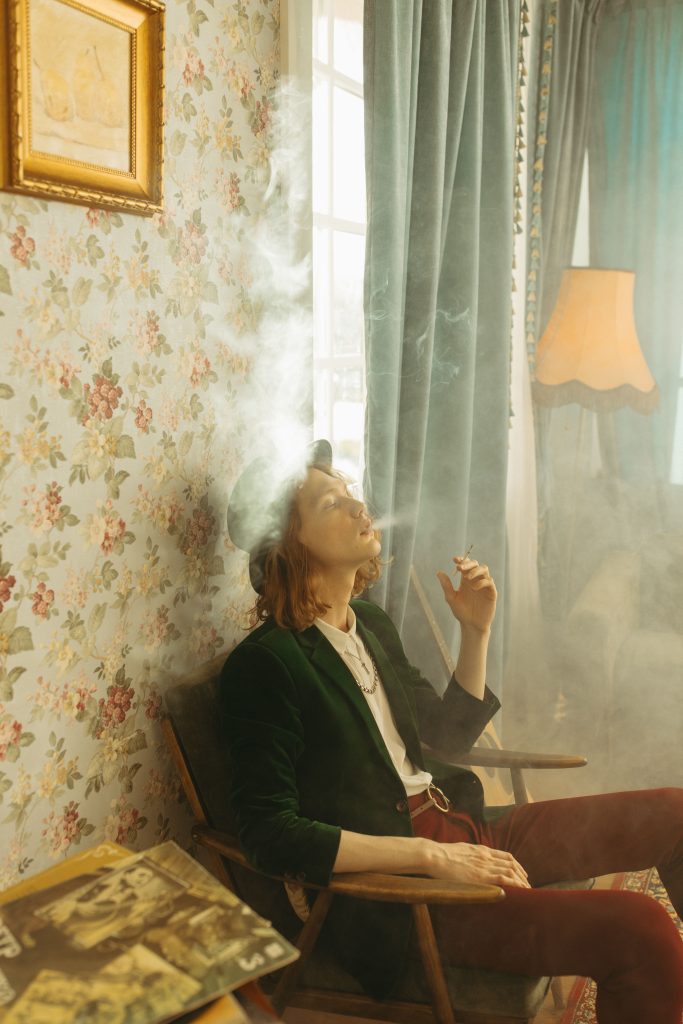
What thirdhand smoke is
Secondhand smoke is what you breathe in from the air around someone who is smoking. Thirdhand smoke is the residue left behind afterwards, clinging to curtains, walls, carpets, furniture and clothing. You can’t always see it, but you can often smell it, and it can stay for weeks or longer.
The residue builds up because nicotine and other chemicals from smoke stick to surfaces. Every time someone smokes in a room, more gets deposited. Open windows help with the air, but they do much less for the surfaces that have already soaked up the smoke.
What the research found
A 2010 study looked at what happens when nicotine left on indoor surfaces meets nitrous acid, which is a common pollutant in indoor air. The researchers found that the two can react to form tobacco-specific nitrosamines, which are known carcinogens. The authors described thirdhand smoke as a health hazard that hadn’t been properly recognised, particularly through skin contact, dust and ingestion.
That study was about the chemistry and the potential for harm, not a measure of what any particular home will expose you to. It’s still a good reason to take the residue seriously, especially in homes with babies or toddlers, who crawl on the floor and put their hands in their mouths. I’m not a doctor, so if you have specific concerns, speak to your GP.
Start with the textiles
Curtains are one of the biggest culprits because they sit in front of windows and absorb smoke from the whole room. Check the care label and wash them if they’re washable. Lined or heavy curtains can often be dry cleaned instead. Take them down first, because the smell sits in the folds and the top edge.
Soft furnishings come next. Vacuum cushions, rugs and upholstery thoroughly, including the seams. If a rug is heavily affected, a professional clean is often worth it. Wash bedding and throws too, since they’re in direct contact with you.
Walls, ceilings and vents
Walls and ceilings can hold residue even when they look clean. Try a small test patch with a mild cleaner first, because some paints mark easily. If the test patch is fine, wipe the whole surface with a cloth, working from the top down to avoid drips.
Don’t forget the radiators, skirting boards, light fittings and window frames. Clean and dry them properly. Ventilation grilles and extractor fans collect residue as well, so wipe the covers and replace any filters.
Neutralise what’s left
Once the surfaces are clean and dry, you can treat soft furnishings that still smell. An odour neutraliser works better on a clean surface than a dirty one, because there’s less for it to fight through. Give curtains and upholstery a light mist, keeping it fine and even, and let them dry fully before closing the room up again.
D-ODR’s fine mist is designed for exactly this kind of job. It removes the smell rather than covering it, which matters when you want the room to feel genuinely clean rather than just perfumed.
Stop new residue building up
- Keep smoking out of the home, and ask visitors to do the same.
- Air the room regularly, and keep the windows open when it’s safe to do so.
- Change the air filters in your heating and ventilation system on schedule.
- Wash washable soft furnishings more often than you think you need to.
Thirdhand smoke is persistent, so it takes a few rounds to get on top of. Clean the surfaces first, then treat what’s left, and keep the air moving. The result is a home that smells like home again.