
The Science & The Elimination Process
The unique selling point (USP) of the D-ODR Fine Mist Spray product is that it not only confines, eliminates and completely destroys the harmful chemical compounds and molecularly structured waste gases produced by the combustion of tobacco products—including tobacco, cigarettes, cigars, pipes and hookahs—but also actively seeks out and eliminates all forms of other surrounding unpleasant and persistent odours lingering within the atmosphere.
These harmful combustion by-products include carcinogenic compounds, carbon monoxide, hydrogen cyanide and formaldehyde. Our product has been tested, with proven results demonstrating the elimination of these harmful chemical gases from the surrounding atmosphere through its application.
Furthermore, D-ODR Fine Mist Spray continues its Mutative odour-fighting procedure beyond tobacco-related emissions, targeting other unwanted and lingering malodours through a scientifically recognised process known as ‘enzymatic or microbial digestion’.
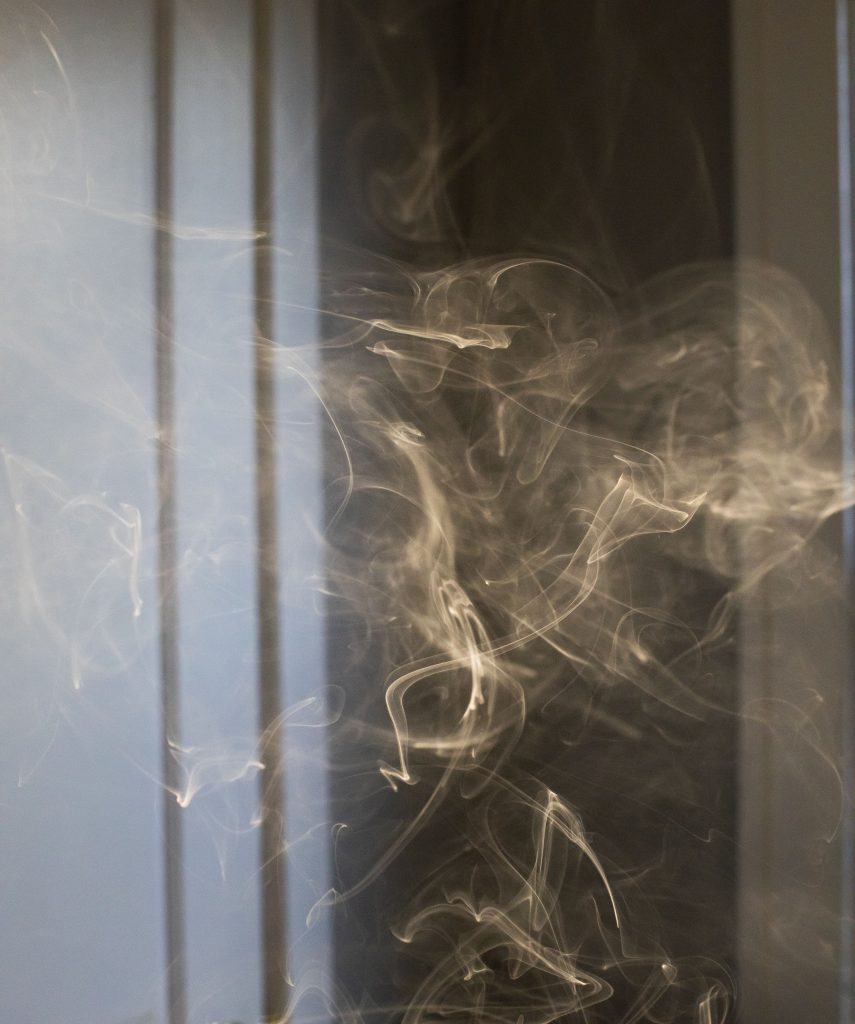
Environmental Tobacco Smoke (ETS) & Chemical Gases Explained…
Smoke (ETS), Harmful Chemical Compounds, Waste gases, Malodours, Mutation & Elimination, ‘enzymatic or microbial digestion’ all explained;-
Smoking cigarettes, and cigars releases a complex mixture of gases, fine particulate matter (PM2.5), and toxic chemicals—including carcinogens—alongside nicotine, tar, carbon monoxide, ammonia, volatile organic compounds, hydrogen cyanide, benzene, formaldehyde, and polycyclic aromatic hydrocarbons (like benzopyrene) as well as cancer-causing chemicals. In the air and surrounding environment, these emissions create lingering secondhand smoke, settle onto surfaces as thirdhand residue, and add localized air pollutants.
Suspended secondhand smoke: Fine particles and gases linger in indoor air for hours, drifting between rooms and exposing bystanders to respiratory and cardiovascular irritants. Outdoors or in general atmospheric terms, smoking adds localized pollutants and greenhouse/ozone-precursor gases (such as carbon monoxide and nitrogen oxides), though its share of global atmospheric emissions is tiny compared to transport, industry, and wildfires.
Thirdhand residue: Oils, waxes, nicotine, and toxic chemicals settle onto walls, furniture, carpets, clothing, and dust. Ventilation alone does not remove this residue, which can linger for days, months, or longer and react with indoor air compounds to form additional harmful chemicals.
The Fundamental Scientific Mutative Activity Behind D-ODR Sprays Explained...
The process in which all bad smells and odours go through when they meet up with our revolutionary D-ODR fine mist spray product is commonly known as molecular ‘odour neutralization’ or ‘chemical odour elimination’. In specific biological or eco-friendly formulations, it is referred to as enzymatic or microbial digestion.
Instead of masking a foul scent with heavy perfumes, D-ODR Fine Mist Sprays actively “hunt down” and permanently change the molecular structure of Volatile Organic Compounds (VOCs) suspended in the atmosphere through several distinct scientific mechanisms, and are broken down in the 3 varied processes as described below:
1)Chemical Neutralization & Modification
The “Mutation” Process: When the spray is atomized into the air, its active compounds pair up with malodorous molecules (such as sulfur-based thiols or nitrogen-based amines).
Nucleophilic Attack: The spray’s active ingredients initiate a rapid chemical reaction or a “nucleophilic attack” on the offending atoms. This fundamentally alters or “mutates” their chemical structure, converting them into completely odourless, non-volatile compounds.
2)Enzymatic Action (Biochemical Digestion)
Targeted Breakdown Process: For organic-based bad odours (like sweat, urine, or spoiled food), many sprays utilize biological catalysts known as enzymes.
Organic Consumption: Specific enzymes seek out specific organic compounds (e.g., proteases go after proteins, lipases digest fats) and break down their structural bonds. This rapidly converts the foul-smelling organic matter into basic, scentless byproducts like water and carbon dioxide.
3)Encapsulation and Precipitation
Trapping the Scent Process: The D-ODR elixir formula uses a mechanism called encapsulation, using complex organic molecules (like cyclodextrins) that literally act like a microscopic cage.
Grounding: The active compounds attach to the floating odour particles, significantly increasing their weight. This causes them to fall or precipitate out of the breathing atmosphere so they can no longer drift into your nose.